
Over the past few years, artificial intelligence has moved from an interesting technology experiment to something people interact with every day. Most of us have now used tools like ChatGPT or Claude to write emails, research topics, or generate ideas.
But a new development is emerging that goes beyond simple chatbots.
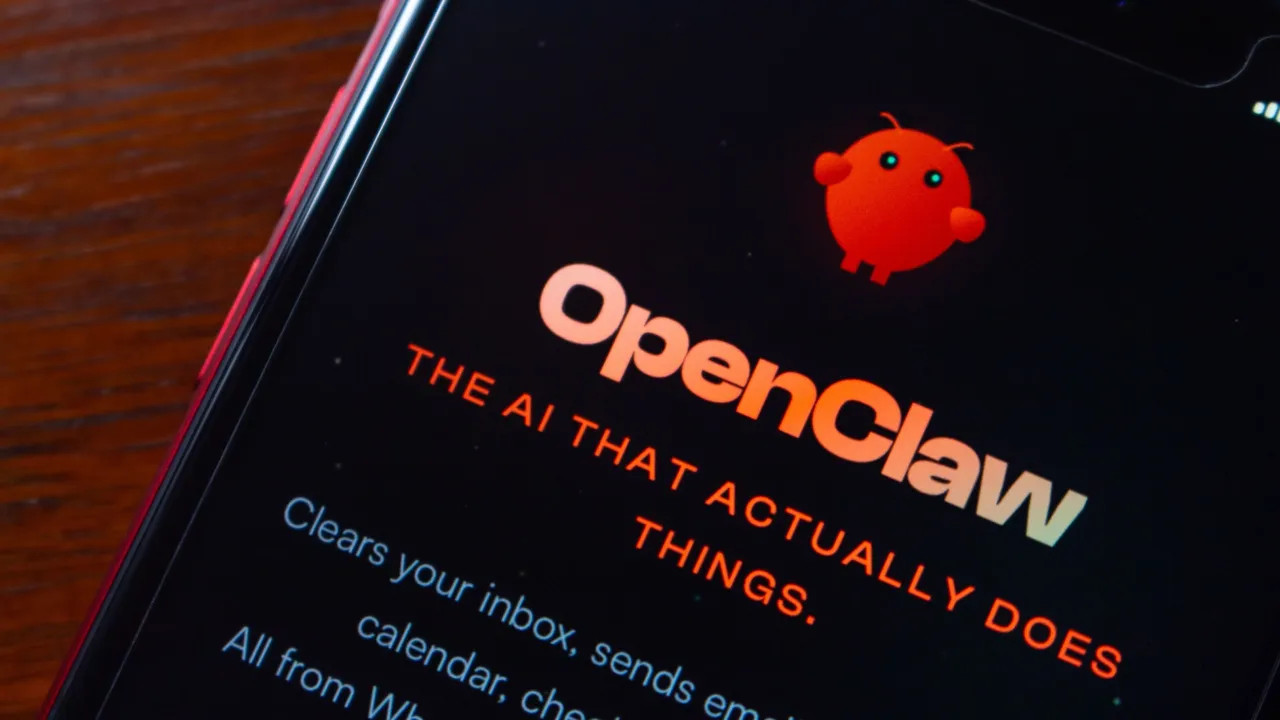
They’re often referred to as AI agents or “claw bots”—autonomous digital workers capable of performing tasks across software systems with very little human supervision.
Instead of answering questions, these systems can complete work.
And technology is advancing faster than many people realize.
From Chatbots to Autonomous Agents
Early AI tools were primarily conversational. A user typed a question, the system responded with text. That was the first breakthrough.
The next stage introduced structured automation frameworks that allowed these models to interact with tools, files, and applications.
Developers experimented with systems that could:
- Browse the internet
- Analyze spreadsheets
- Write and edit documents
- Execute multi-step workflows
Some early frameworks went through rapid development cycles and name changes—moving from experimental “bot” concepts to more structured agent platforms. Each step brought the same idea closer to reality: software that could take an objective and carry it out.
Today’s emerging “open claw” style frameworks push that concept even further.
Instead of simply generating answers, they allow developers or organizations to deploy persistent AI workers that can operate continuously monitoring systems, executing tasks, and collaborating with humans.
Giving the Bot a “Brain”
One of the most interesting aspects of modern AI agents is that the intelligence layer is modular.
In simple terms, you can assign the bot a “brain.”
Developers can connect the agent to different large language models such as:
- ChatGPT
- Claude
Each AI engine brings its own strengths, whether that’s reasoning, speed, safety alignment, or cost efficiency.
The framework handles the workflow and tools.
The AI engine provides intelligence.
This separation allows organizations to upgrade their systems simply by swapping the model that powers the agent.
Think of it like replacing the engine in a truck while keeping the same chassis.
How Businesses Are Already Using AI Agents
Across the private sector, companies are beginning to deploy AI agents in ways that go well beyond simple chat interfaces.
Some common uses include:
Customer Service Automation
AI agents can handle large volumes of routine inquiries while escalating complex issues to human staff.
Financial Analysis
Agents can review transactions, summarize reports, and monitor financial systems for irregularities.
Research and Data Processing
AI can rapidly analyze large data sets that would normally require hours of manual review.
Operational Monitoring
Agents can watch systems continuously and trigger alerts when something unusual occurs.
For many companies, this technology acts like a digital assistant that never sleeps.
It doesn’t replace human judgment, but it can dramatically reduce the amount of routine work that consumes time and attention.
The Benefits — and the Concerns
With every technological advance comes both promise and uncertainty.
Artificial intelligence has the potential to dramatically increase productivity across industries. If systems can automate repetitive tasks, people may gain more time to focus on creative work, entrepreneurship, community engagement, and family life.
Throughout history, productivity gains from new technology have often raised living standards.
But there are also legitimate concerns.
Many workers worry about job displacement as AI systems become more capable. Some roles may change dramatically, and certain tasks may eventually disappear altogether.
These concerns are not new. Every industrial revolution—from mechanized agriculture to computers—has forced societies to adapt.
The real challenge is determining how to balance innovation with economic stability.
What Could This Mean for Government?
As AI agents mature, governments at every level will eventually face an important question:
Should this technology be used in public administration?
Potential applications might include:
- Processing routine paperwork
- Analyzing financial data
- Monitoring compliance systems
- Improving citizen communication
- Identifying inefficiencies in public programs
Supporters argue that properly implemented AI tools could help government operate more efficiently and transparently.
Critics raise concerns about data security, accountability, and the possibility of over-automation in areas where human judgment is essential.
Those concerns deserve serious discussion.
Innovation and Stewardship
Technology moves forward whether we pay attention to it or not.
The real question is whether leaders understand these developments well enough to make thoughtful decisions about how they should—or should not—be used.
Innovation and stewardship are not opposing ideas.
In fact, responsible governance often requires both:
- A willingness to understand new tools
- And the discipline to apply them carefully
The future of artificial intelligence will likely shape everything from business productivity to public administration.
Understanding these technologies today may help ensure that decisions made tomorrow are grounded in both innovation and responsibility.
A Question for South Dakotans
Artificial intelligence is evolving rapidly, and the conversation about its role in society is only beginning.
That raises an important question:
Should AI agents eventually play a role in state government?
If so:
- Which departments might benefit the most?
- Where should human oversight remain essential?
- How should transparency and accountability be protected?
I’d be interested to hear your thoughts.
The discussion around artificial intelligence isn’t just about technology.
It’s about how we choose to shape the future of work, government, and opportunity for the next generation.
And conversations like this are where that future begins.